

Rot and Glory: Exploring the Lore and Armies of Nurgle in Warhammer
8 April 2025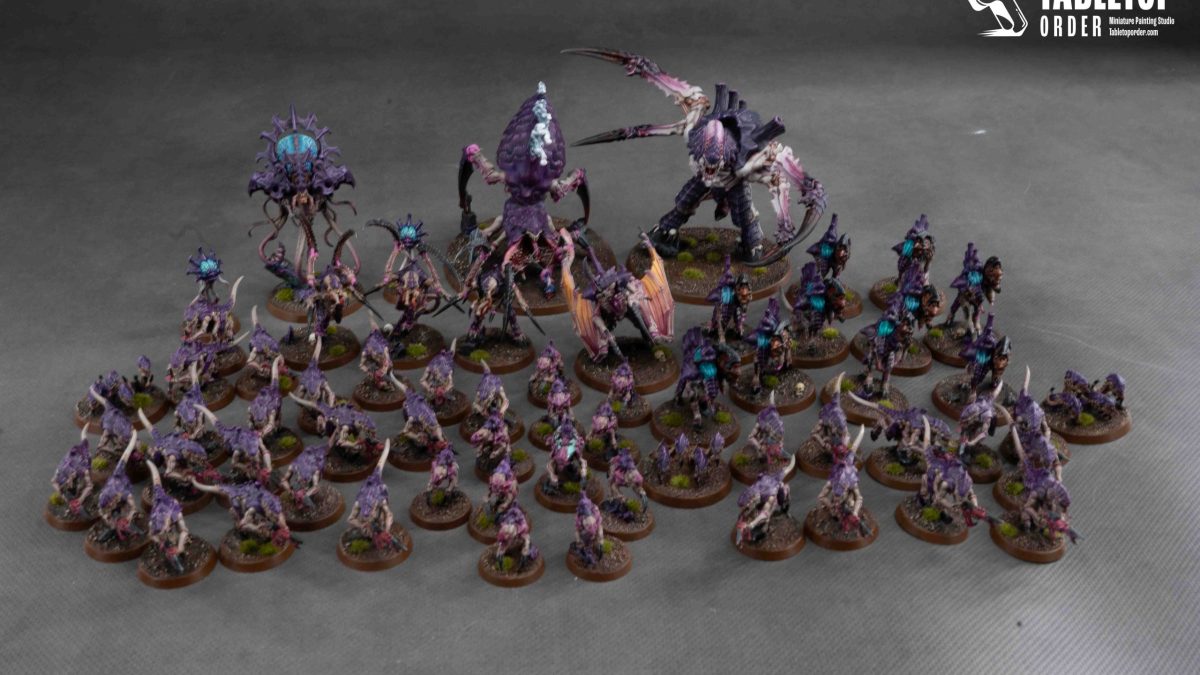
Leviathan and Warhammer 40K: Painting the Tyranids from the Leviathan Box
The leviathan swarm is here, and for any hobbyist diving into Warhammer 40K, learning how to paint tyranids from the leviathan box is an essential step. Whether you’re a seasoned painter or just getting started with the 40k 10th edition, this guide will walk you through painting the leviathan using effective techniques and popular color recipes inspired by Games Workshop and the warhammer community.
You can see our painting levels!!
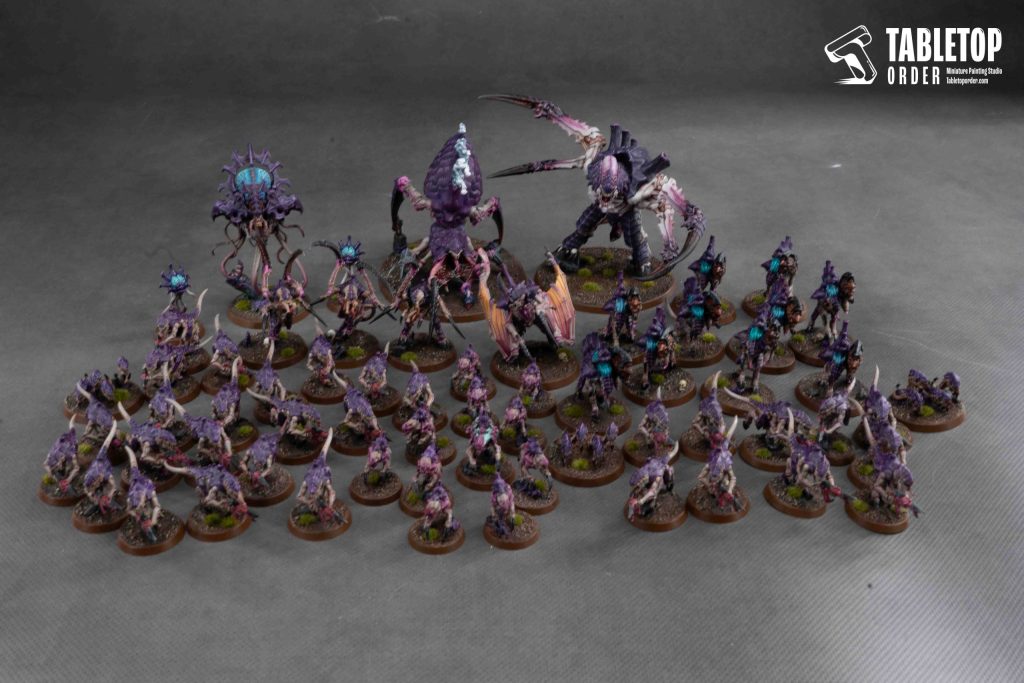
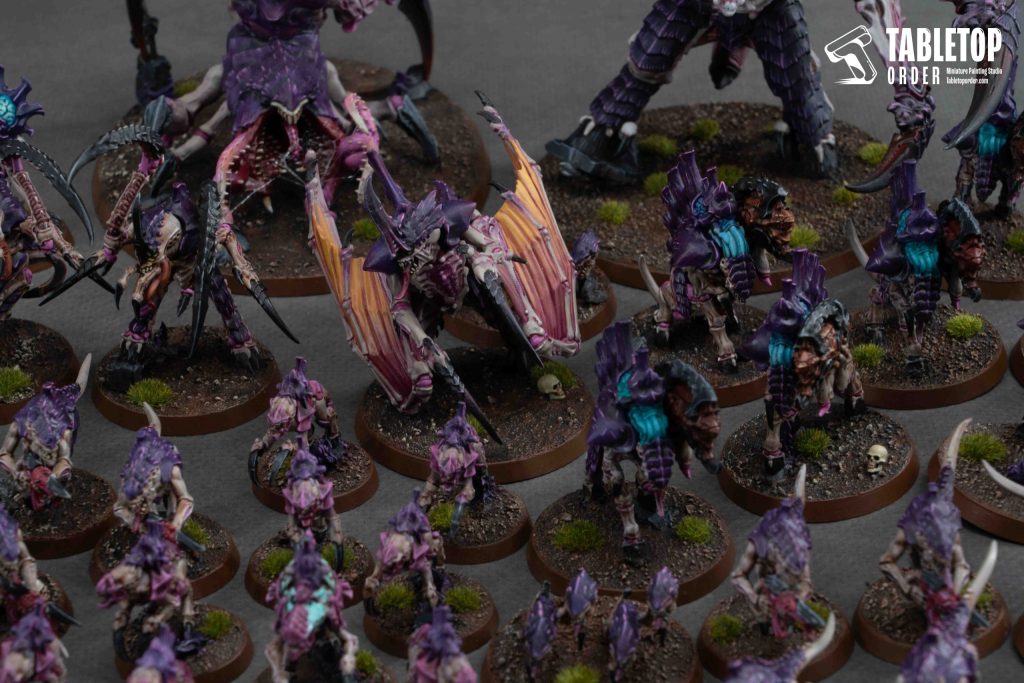
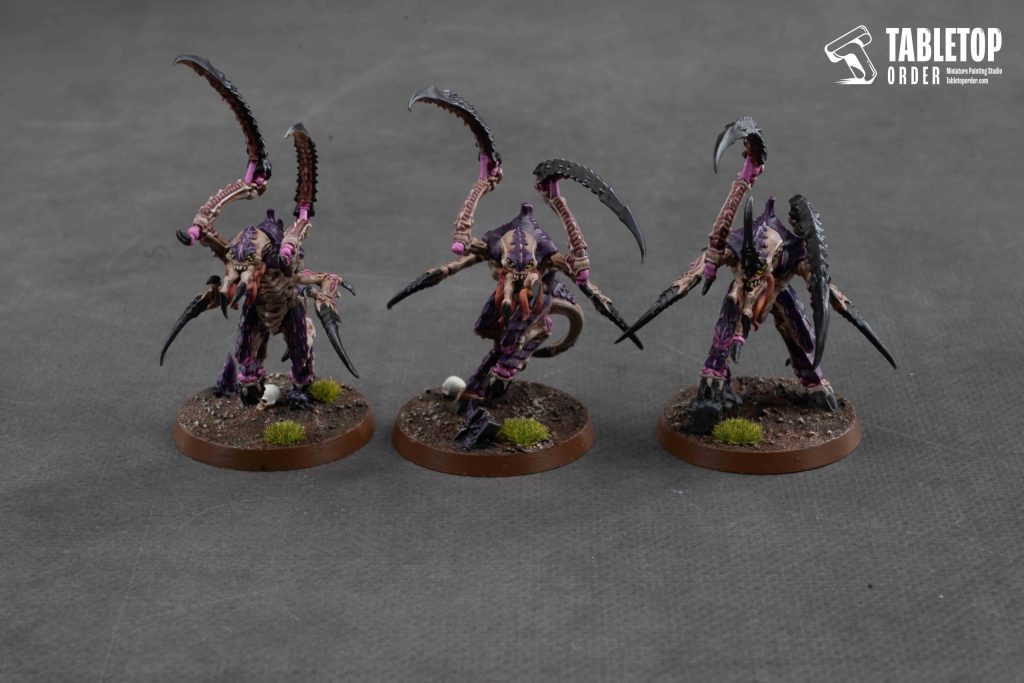
Hive Fleet Leviathan Paint Schemes: Colors, Carapace, and Miniature Painting Basics
Hive fleet leviathan is known for its signature leviathan scheme—bone-white flesh, deep purples, and vivid reds. It’s striking on the tabletop and perfect for painters who want their tyranid models to stand out. Start by priming with wraithbone to achieve a warm base color. From there, you can apply contrast paint like skeleton horde or morghast bone for fast results.
Use ushabti bone or screaming skull for dry highlights, then apply genestealer purple or leviathan purple for the carapace. This will bring a beautiful, rich depth to your chitinous armor plating.
Painting the Leviathan Box: Speed Painting Termagants and Tyranid Forces
The leviathan box includes a swarm of termagants, warriors, and monstrous units like the psychophage. For speed painting, use a zenithal prime (black base with white spray from above) to create natural highlights. Then use contrast paints over this for fast shading. Painting miniatures this way is great for large swarms.
Painting leviathan with efficiency doesn’t mean sacrificing quality. Use drybrush techniques for bone and claws, and apply recess shade like carroburg crimson in chitin gaps to add depth.
Tyranids and Marines: Painting Leviathan vs Space Marine Foes
Painting tyranids from the leviathan set is only one half of the battle. You’ll also find space marine models inside. These can be painted using classics like mephiston red or yriel yellow for vibrant armor. Whether you’re painting a termagant or a marine, these units are core to understanding the visual clash in warhammer.
While paint tyranids requires organic shading and transitions, marine armor is sharper—perfect for edge highlightsand crisp detailing. This contrast makes battles on the tabletop visually stunning.
Highlighting Details: Carapace, Chitin, and Genestealer Features
The devil is in the detail when painting the leviathan. The carapace and chitin need clear separation from the bone flesh. Try a glaze over your base to blend tones. Add an edge highlight using a lighter tone over the carapace ridges for a dramatic effect.
Don’t forget the claws, talons, and iconic genestealer heads. You can use vallejo metallics for extra bite or citadelwashes to create shadow in hard-to-reach areas.
Get Painting: Bringing Warhammer Models to Life with Contrast and Airbrush Techniques
Whether you’re into speed painting or precision work, there are many methods to bring your warhammer models to life. For beginners, contrast paint over zenithal primes is an easy win. For veterans, using an airbrush can save time and smooth your blends.
From skeleton horde washes to carroburg recesses, every technique adds to the rich, organic vibe of the hive fleets. Just remember: every brush stroke takes you deeper into the world of warhammer.
From the Side of the Box to Tabletop Glory: Final Thoughts on Painting Leviathan
Whether you follow the side of the box art or develop your own take, painting the leviathan is a rewarding process. The edition launch box offers a balanced mix of new tyranids and space marine sculpts that reflect the future of 40k.
So, gather your brushes, grab your gw paints, and get painting! With a mix of citadel, vallejo, and classic techniques, your leviathan force will soon be the pride of your collection.


